Quick Answer: VRF systems are incredibly efficient and can save a building owner a ton of money on energy bills, especially the heat recovery versions that can heat one room while cooling another. But they are not a magic bullet. If they're oversized, installed poorly, or you don't have a separate plan for fresh air and humidity, you're going to have a bad time and an expensive, inefficient system.
The Setup
I get asked about VRF all the time. It’s the hot new thing, right? Variable Refrigerant Flow, or VRV if you’re a Daikin purist—it’s all the same stuff. Sales guys love to talk about it, and for good reason. On paper, it’s a dream come true: incredible energy efficiency, individual zone control, and less ductwork. They sell it as the future, and honestly, in a lot of ways, it is.
But here’s the thing they don’t always tell you: VRF is like a high-performance race car. When it’s tuned perfectly and the driver knows what they’re doing, it’s unbeatable. But if the installation is sloppy or the design is off, you’ve just bought a very expensive, very complicated lawn ornament. I’ve seen it go both ways more times than I can count.
We took over a building in Midtown where the previous contractor had put in a VRF system that was constantly having issues. The owner was convinced he’d been sold a lemon. Turns out, the piping runs were too long, and the system was oversized. It was like trying to drive a Ferrari in a school zone—it just doesn’t work. We had to re-engineer a good chunk of it, but once we did, it ran like a dream. That’s the VRF story in a nutshell: the devil is in the details.
What You're Seeing (The Symptoms)
So, you’ve got a VRF system and things aren’t quite right. What does that look like in the real world? Here are a few of the greatest hits I see out in the field:
- The building is humid and sticky. This is the big one. The air conditioning is running, the temperature on the thermostat is happy, but it feels like a swamp inside. This is especially common in office buildings or places with a lot of people.
- The system is always turning on and off. You hear the units kicking on, running for a few minutes, and then shutting right back down. It’s not the smooth, quiet operation you were promised. It’s just…cycling. All day long.
- You’re getting weird temperature swings. One office is an icebox, the one next door is roasting. The whole point of VRF is zone control, but it feels like the zones are at war with each other.
- Your utility bills are still sky-high. You paid a premium for this super-efficient system, but your energy costs haven’t budged. The numbers on the brochure don’t match the numbers on your electric bill.
If any of that sounds familiar, don’t panic. It doesn’t necessarily mean the whole system is junk. It just means we need to dig a little deeper.
What's Actually Going On (The Technical Side)
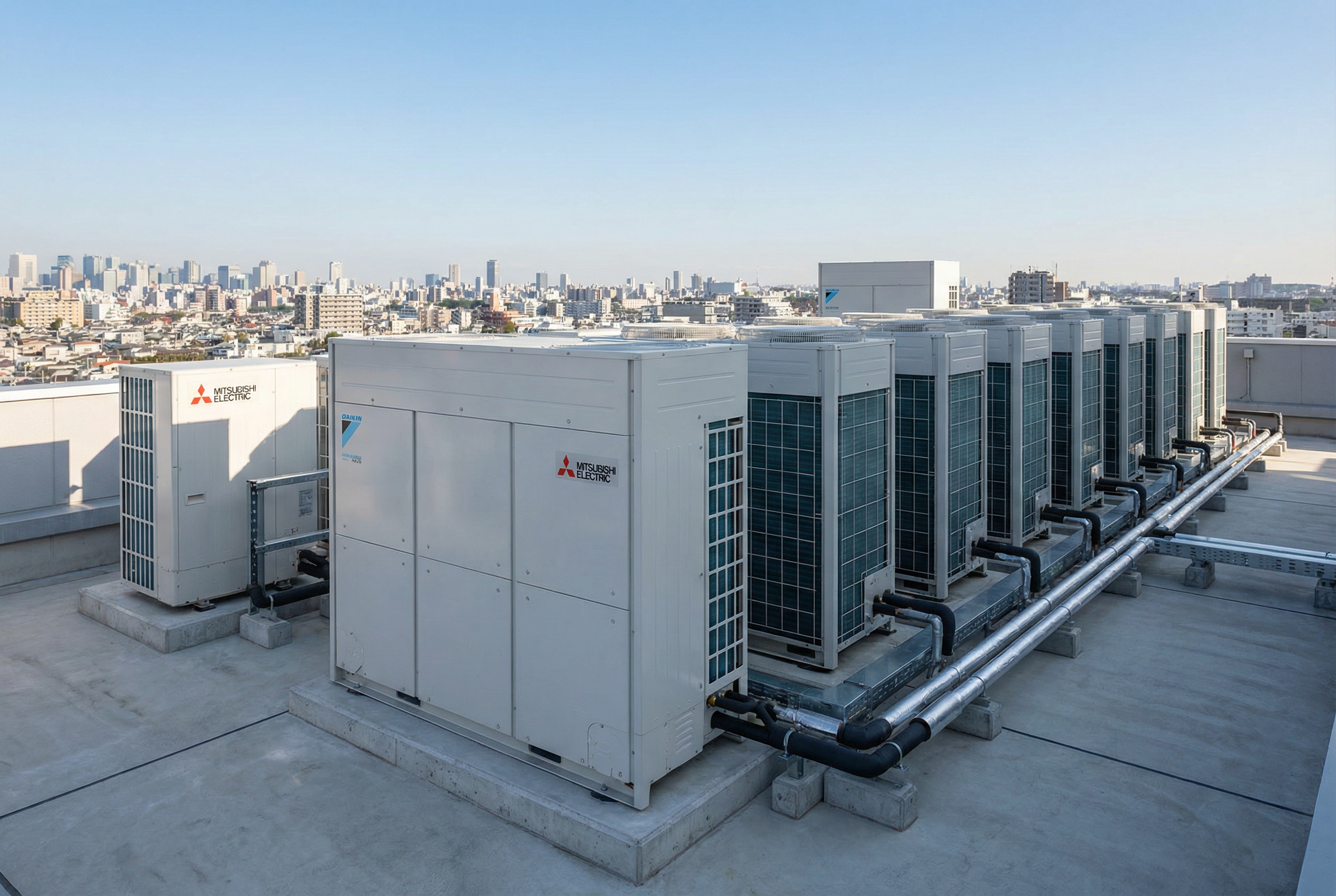
Let’s get into the nuts and bolts. A VRF system is basically a more sophisticated version of the ductless mini-splits you see in houses. You have one or more outdoor condenser units connected to a whole bunch of indoor units (fan coils) via refrigerant piping. The “variable” part comes from the variable-speed compressor, which can ramp up and down to precisely match the heating or cooling load.
The real magic is in the heat recovery systems. These have a third pipe that allows them to move heat from one part of the building to another. So, if the server room needs cooling and the corner offices need heating on a cool day, the system can literally take the heat it’s removing from the server room and use it to warm up the offices. That’s incredibly efficient. Instead of just throwing that heat away outside, you’re using it. It’s basically free heat.
But this complexity is also where things go wrong. The system relies on a perfect balance of refrigerant flow, and that’s all controlled by electronic expansion valves and a proprietary control system. It’s not like a simple rooftop unit. Everything has to be just right.
What to Check First (Troubleshooting)
If you’re on a service call for a problematic VRF system, here’s where I’d start:
- Is it oversized? This is the number one killer of VRF efficiency. If the system is cycling on and off instead of modulating, it’s probably too big for the load. An oversized system will cool the space down too quickly and shut off before it has a chance to remove any humidity. That’s why you get that cold, clammy feeling.
- What’s the ventilation situation? VRF systems are designed to handle the sensible load (temperature), not the latent load (humidity). You absolutely need a separate Dedicated Outdoor Air System (DOAS) to bring in fresh, dehumidified air. If someone tried to save money by skipping the DOAS, you’ve found your humidity problem.
- Check the piping. Every manufacturer has strict rules about how long the piping runs can be, how much vertical separation you can have between the indoor and outdoor units, and where you need to put oil traps. If the installers didn’t follow the rules to the letter, you’re going to have oil return problems and performance issues.
- Look for leaks. With all those flare connections and hundreds of feet of piping, refrigerant leaks are a real possibility. A slow leak can be tough to find, but it will kill your performance and can be a safety hazard.
The Numbers That Matter
When you’re working with VRF, you have to know the numbers. Here are a few that I always keep in mind:
- -22°F: A lot of the new “cold-climate” VRF systems are rated to provide heat down to some crazy low temperatures, like -22°F. That’s a big deal, because it means you can use them as a primary heat source in colder climates without needing a backup boiler or furnace.
- 150%: You’ll often see VRF systems designed with a diversity factor of up to 150%. That means the total capacity of all the indoor units is 50% more than the capacity of the outdoor unit. The system is betting that not all the zones will be calling for full cooling or heating at the same time. It’s a balancing act, and if you get it wrong, you’ll have comfort problems.
- 8 to 15 years: This is the typical payback period you’ll see for a VRF system compared to a standard system. It’s a long-term investment. The upfront cost is higher, but you make it back in energy savings over time.
What I've Learned (Field Wisdom)
I’ve been working on these systems since they started showing up in the US, and I’ve learned a few things the hard way. Here’s my advice:
First, you are married to the manufacturer. The controls, the parts, the software—it’s all proprietary. You can’t just swap out a Daikin board with a Mitsubishi one. This is a huge deal for building owners. If you have a problem, you’re calling a certified tech from that specific brand. It’s a big change from the old days when you could get parts for a Trane or a Carrier unit just about anywhere.
Second, installation is everything. I can’t say this enough. A good VRF installer is worth their weight in gold. They need to be clean, precise, and follow the manufacturer’s instructions to the letter. A bad installer will leave you with a nightmare of leaks and performance issues. I’ve seen it happen. We had to completely re-pipe a system in a high-end residential building because the original installers made a mess of the flare connections. It cost the owner a fortune.
Finally, don’t forget about the service side. These systems are complicated. You need to have a plan for maintenance. The filters need to be changed, the coils need to be cleaned, and the control settings need to be checked. It’s not a “set it and forget it” system. If you treat it that way, you’re going to be disappointed.
The Bottom Line
So, is VRF worth it? Yes, but with a big asterisk.
It’s worth it if you have a building with a lot of different zones and variable loads. It’s worth it if you’re willing to pay for a quality installation from a certified contractor. And it’s worth it if you have a proper plan for ventilation and humidity control.
But if you're just looking for the cheapest option, or if your installer is trying to cut corners, you're better off sticking with a more traditional system. A poorly installed VRF system is a lot worse than a well-installed rooftop unit. Trust me on that one.
Frequently Asked Questions
What is the main takeaway from this article?
VRF systems are incredibly efficient and can save a building owner a ton of money on energy bills, especially the heat recovery versions that can heat one room while cooling another. But they are not